
Today I got made aware that Oslo seemingly has a water shortage. I could not believe my ears (eyes too). You see, Norway is 1,100 miles long and for about 90% of that distance it enjoys the tropical rains (read: implied sarcasm) of the Atlantic all year long. So I was a bit surprised to hear this. Now I understand the predicament, but have no fear, I is here. So here is a crazy thought. What if the snow clearing services get one additional task?
You see, Oslo gets its water from lake Maridalsvannet. And that place is almost as dry as a funny story by many politicians. So here’s a thought. It gets its water from Skjærsjøelva and Dausjøelva. So, what if we add to this? Consider this image (below)
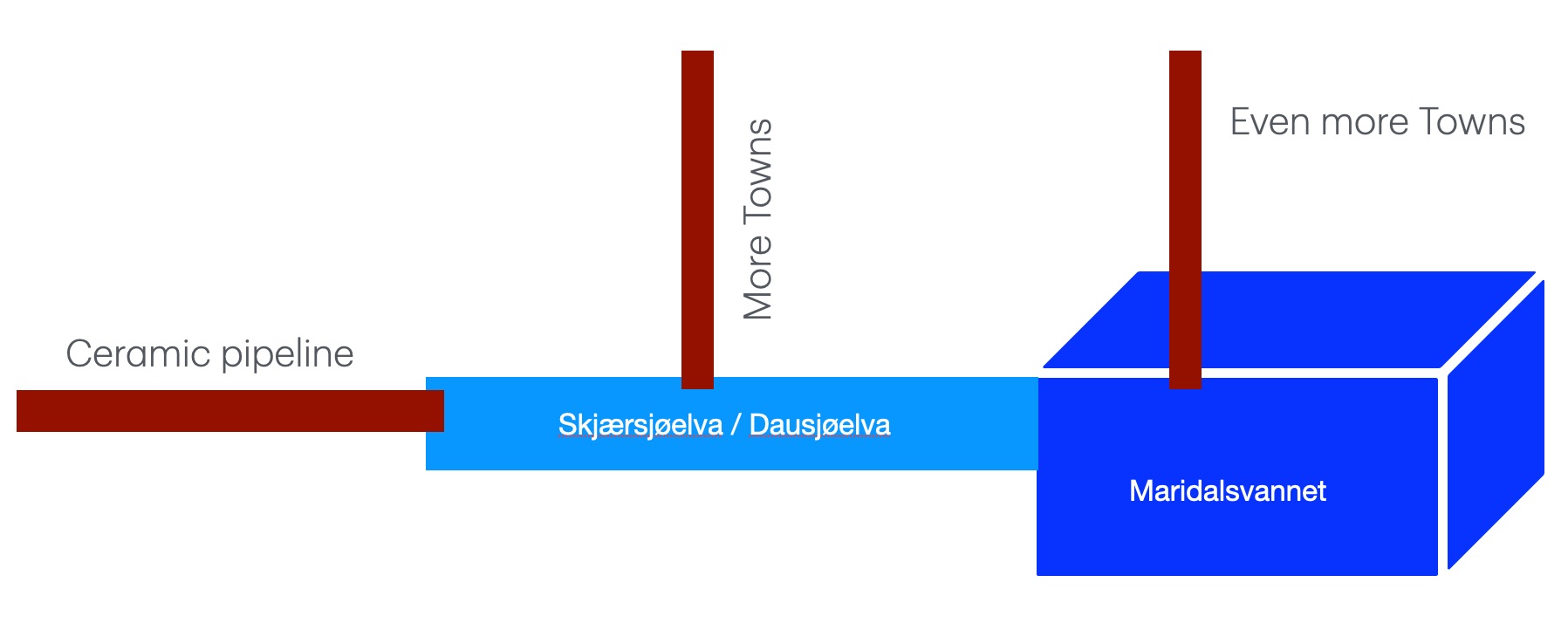
Now consider that Skjærsjøelva is around 3 KM, Dausjøelva is even shorter. Now consider that pretty much every town in Norway needs the snow cleared. They normally place it where nature takes a hold and dissolves it into the Atlantic ‘river’, but that is merely an easy option. There is a line of towns from Rotnes up to Brandbu with a combined stage of thousands of houses, clearing snow every year. So what happens if a ditch is created, at times ceramic pipes with a diameter of 2 meters. And it is strategically placed to catch the melting snow and rainwater. It could mean a few thousand hectolitres of sweet sweet water all going straight to lake Maridalsvannet. This is not done in a day, the main line would take a few years to do, but it would mean a steady infusion of water to lake Maridalsvannet. The ceramic pipes make it environmentally friendly, and the snows will not be ‘wasted’ on the Atlantic river (small pun intended).
I wonder if it is was feasible. You see we think merely of the river, but there are more ways to Oslo that per boat (Vikings swear by it). And the question becomes how much snow is cleared from these places in a year. It might even require a little more effort.
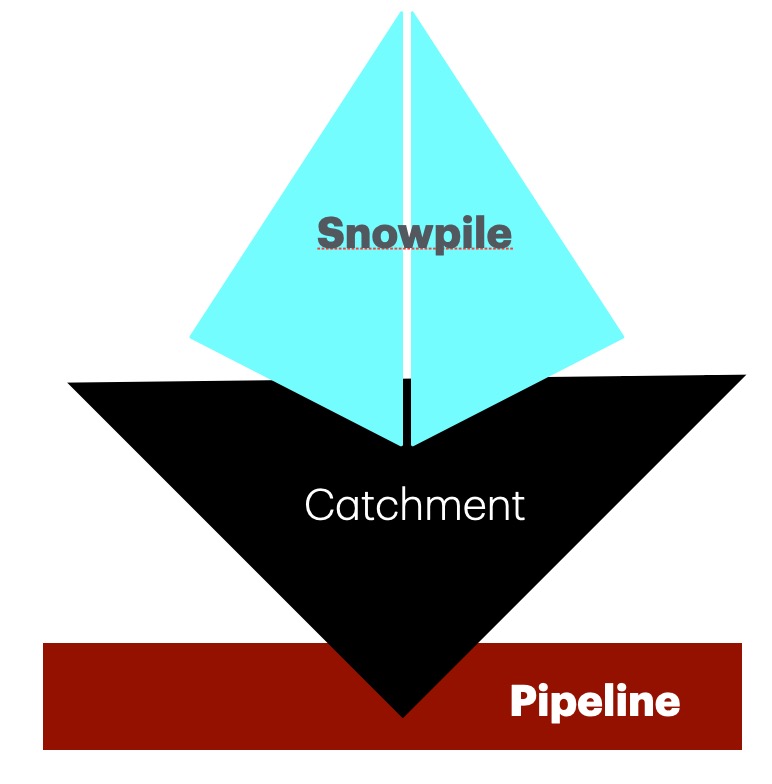
As towns place their snow in a specific place, on a catchment field, the melting snow as well as any rain falling there goes straight towards the pipeline. Now I get that not all towns will have one, but Rotnes has a population of 20 939. I reckon close to 10,000 houses, roads and it all has to be cleared. That implies up to 10,000 locations with 20 to 40 pounds/square foot snow. It has to be cleared every year (some multiple times a year) and the roads collect even more snow. So whilst it is blown aside, it could be specifically placed. I foresee that optionally additional water filtering is required, but it could take care of the shortage. And Oslo has an estimated 1,588,457, which is around one fourth of Norway. Will my solution solve it? Optionally over several years, as the number of snow streams are directed towards Oslo, it might solve it, in the short term it merely lessens the pressure on Oslo.
It is all my brain could conceive in an hour and perhaps Norwegians will laugh at this thought stating they considered this a long time ago. That would be fair, I merely go where my creativity takes me. And even as Oslo is currently the most visible example, I am certain it is not the only one. We need to move into what we did, into what we optionally need to do now. The world is changing and the people are setting pressures into places pressure was never a consideration. That is all I have to contribute this day.
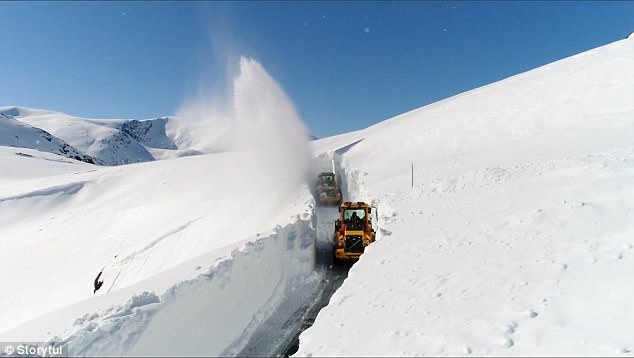
So consider the image below and wonder how much water is stored there? Could any of it find its way to Oslo? Just consider how much water you see there. In spring all that water is gone and a lot of it isn’t going to Oslo (not sure where the image was taken), but it is likely fuelling the Atlantic.
Have a great day and as diner is about to be served (by me, for me) I am signing off.
 Lawrence van Rijn - Law Lord to be