
Yup, someone beat me to it, I had another design in mind but that will work too. I am referring to the Ukraine TLK-1000 underwater drone unveiled at the Defense Tech Valley 2025 exhibition in Lviv on Sept. 19, 2025. You see, fit this with a collar and you get a new type of defense.
Last year (might be two years ago) I designed a new way to hurt Iran. To sink its fleet, not at see, but in the harbour, to incapacitate its harbours for months. It is nice to have a harbour, but when it goes out of commission, it really hurts. You see, defense is ‘usually’ ready for the loss of a ship, a little less so when the harbour goes out of commission. And the nice part of Iran was that they were usually set to two entrance points block those and the harbour becomes useless. This is not completely the case with Russian harbours, but there are ways around that too. As such I came up with a stealth solution. You see, warships can take a pounding, but when you design a setting were you burn through the bottom of the ship, you can impede a ship really fast. They are all set to the principles of Archimedes. Take out the outer hull, the inner hull becomes a joke.
The setting is simple.
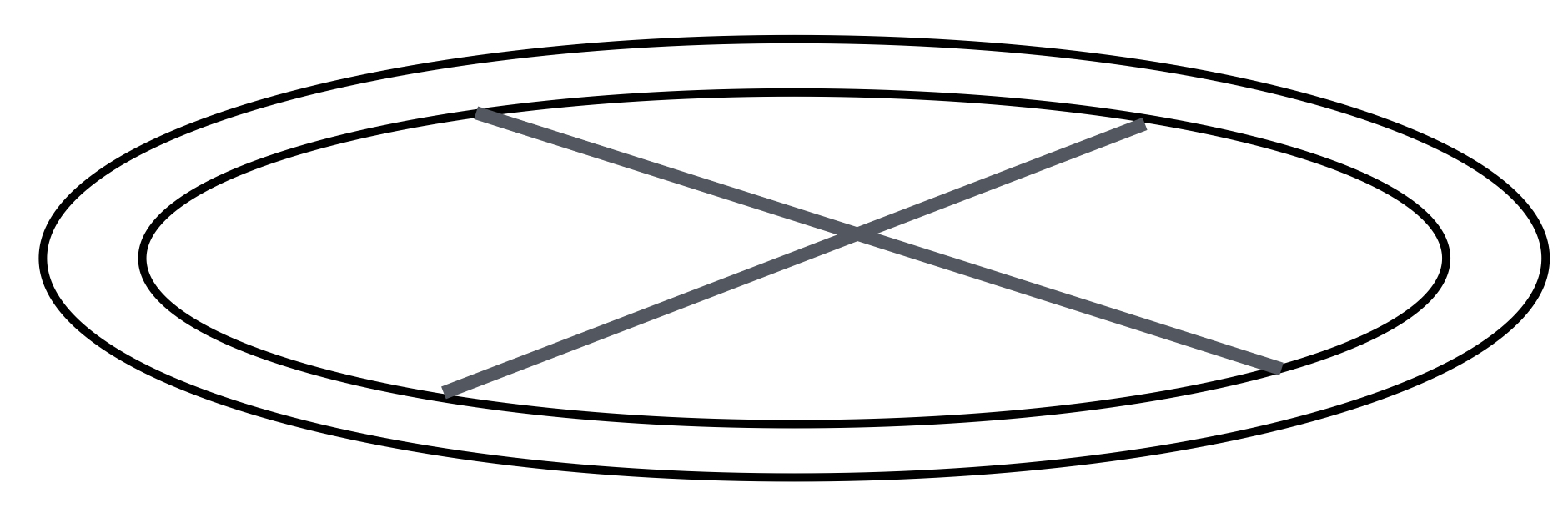
This is almost the setting of a dinghy. I ring constraint in shape by two bands and it is filled with pure oxygen. As it is released and inflated, it pushes itself to the bottom of the target, the wonder of floatation. And it is important that it is pure oxygen, not air.
Then the second part of the solution comes in action (and can be activated remotely)
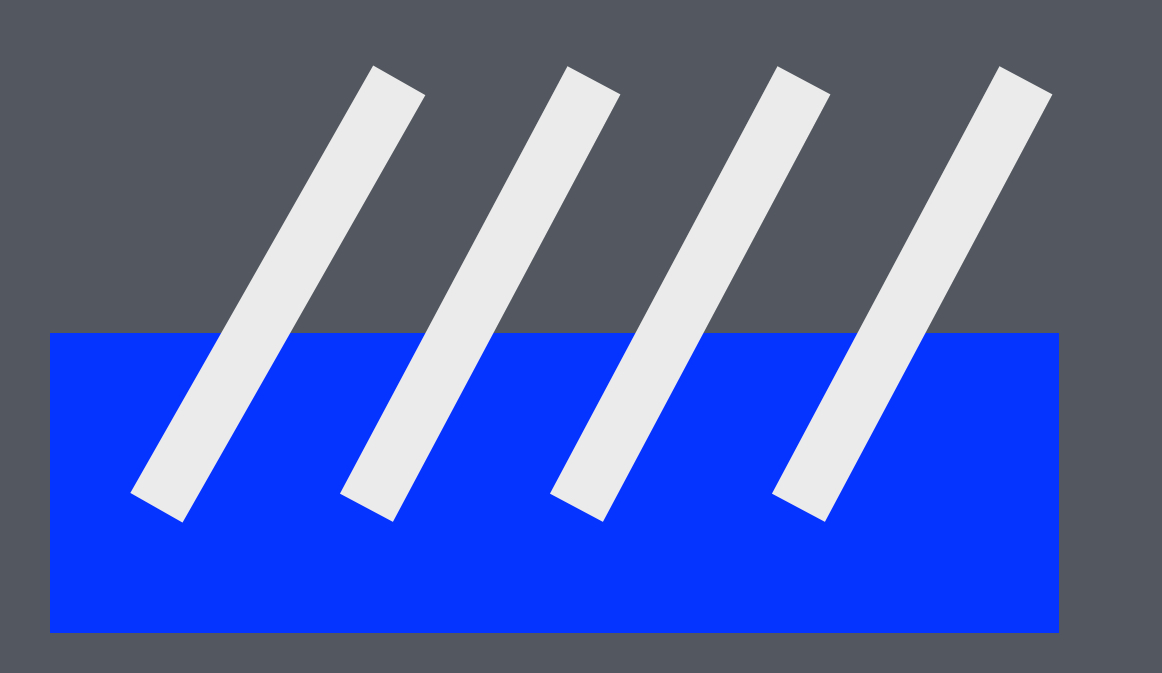
The rods are hollow magnesium and with oxygen that become TIG welding ‘solutions’ a floater will have 50-60 rods and they will make a mess at the bottom of that target. Optionally you can release 2 of these per warship. As they burn a hole in the bottom of the target, they will be unaware of the setting they face and when the holes are done, something like a C4 ribbon will be exploded rising holes in the inner wall and the water can now scuttle the target. On that setting it will overlap most vessels (or warships) multiple partitions giving Archimedes a chance to work its magic on the principle of archimedes, which is the upward buoyant force exerted on a body immersed in a fluid (liquid or gas) is equal to the weight of the fluid displaced by the body and with that equation gone that target gets a new view of the bottom pot that piece of water. When the timing is done precisely, that ship will become the natural blockade of the harbour or piece of water it is blocking, making the harbour inaccessible for months at a time. You see, everyone is so focussed on blowing things up, but a warship tend to be resilient and can maneuver out of the way, in this way they won’t have the time, because when the C4 ribbon does its magic it will be largely too late. Oh, and when you consider the engines, when they become ‘overly’ active, the sinking merely increases.
So whilst some politicians are talking, giving 2 weeks and uttering total disappointment, I made a solution and I hereby hand it to the Ukraine. I reckon that adding a collar with 5-8 floating welders, they could optionally sink 3-4 warships at the same time, impressing the Russian government with a dwindling ship count.
I think that if it is good for Iran, it would work on Russian vessels too. And with a collar on the TLK-1000 underwater drone, 50% of the work is already done. You merely have to include the collar. I reckon that each floater would cost less than $500K, considering that the average warship would be $2-$3 billion, it will be money well spend.
Have a great day and Slava Ukraini.
Warship, drone, scuttle, Russia, Iran, C4, harbor, Ukraine, TLK-1000, Lviv,
 Lawrence van Rijn - Law Lord to be