
Well, that is the setting we are given however, it is time to give them some relief. It isn’t just Microsoft, Google and all other peddlers handing over AI like it is a decent brand are involved. So the BBC article (at https://www.bbc.com/news/articles/c24zdel5j18o) giving us ‘Microsoft boss troubled by rise in reports of ‘AI psychosis’’ Is a little warped. First things first. What is Psychosis? Psychosis is a setting where we are given “Psychosis refers to a collection of symptoms that affect the mind, where there has been some loss of contact with reality. During an episode of psychosis, a person’s thoughts and perceptions are disrupted and they may have difficulty recognizing what is real and what is not.” Basically the settings most influencers like to live by. Many do this already for for the record. The media does this too.
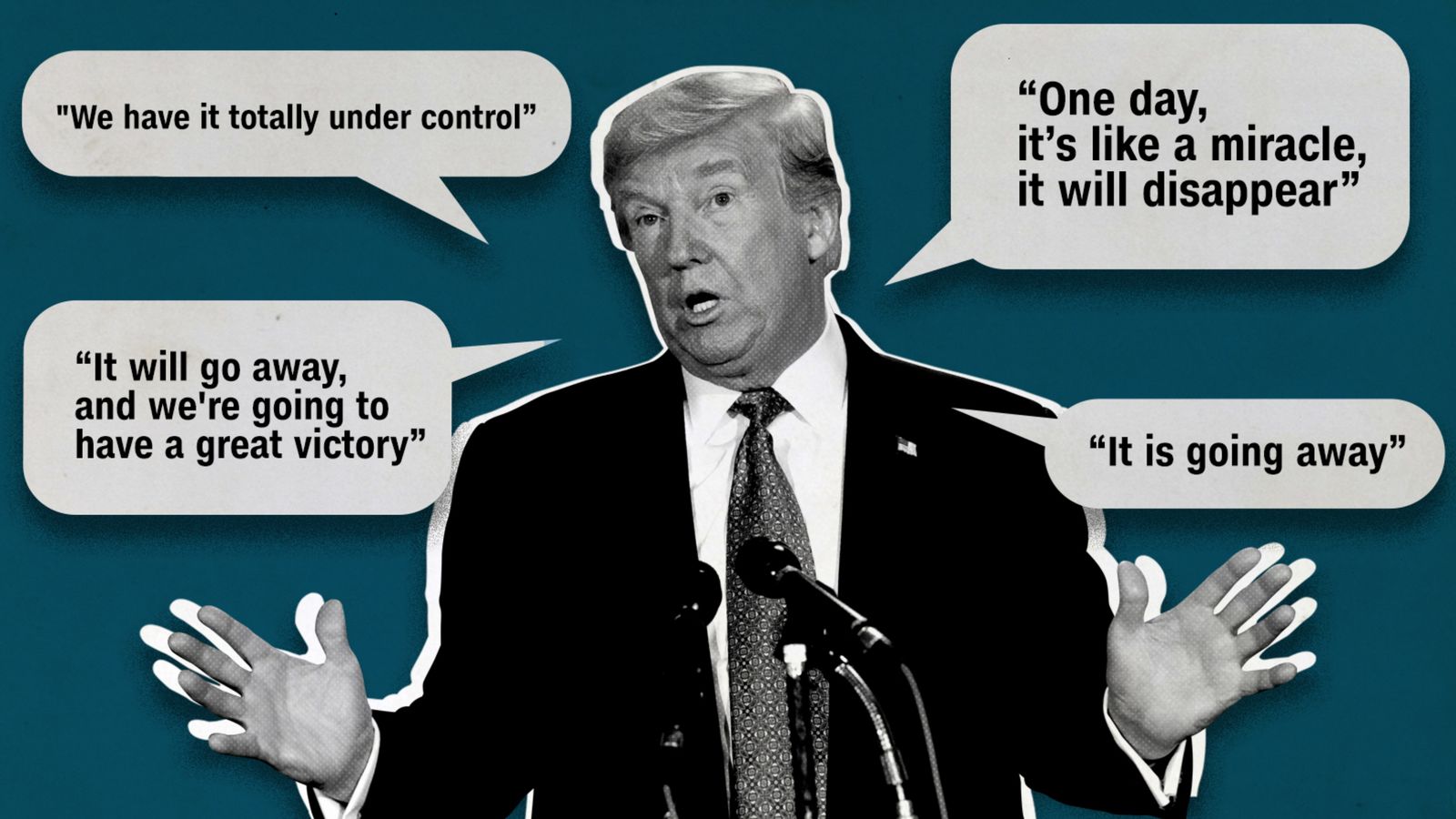
As such people are losing grips with reality. So as we see the malleable setting that what we see is not real, we get the next setting. As people lived by the rule of “I’ll believe it when I see it” for decades, this is becomes a shifty setting. So whilst people want to ‘blame’ Microsoft for this, as I see it, the use of NIP (Near Intelligent Parsing) is getting a larger setting. Adobe, Google, Amazon. They are all equally guilty.
So as we wonder how far the media takes this?

I’ll say, this far.
But back to the article. The article also gives us “In a series of posts on X, he wrote that “seemingly conscious AI” – AI tools which give the appearance of being sentient – are keeping him “awake at night” and said they have societal impact even though the technology is not conscious in any human definition of the term.” I respond that giving any IT technology a level 8 question (user level) and it responds like it is casually true, it isn’t. It comes from my mindset that states if sarcasm bounces back, it becomes irony.
So whilst we see that setting in ““There’s zero evidence of AI consciousness today. But if people just perceive it as conscious, they will believe that perception as reality,” he wrote. Related to this is the rise of a new condition called “AI psychosis”: a non-clinical term describing incidents where people increasingly rely on AI chatbots such as ChatGPT, Claude and Grok and then become convinced that something imaginary has become real.” It is kinda true, but the most imaginative setting of the use of Grok tends to be

I reckon we are safe for a few more years. And whilst we pour over the essentials of TRUE AI, we tend to have at least two decades and even then only the really big players can offered it, as such there is a chance the first REAL AI will respond with “我們可以為您提供什麼協助?” As I see it, we are safe for the rest of my life.
So whilst we consider “Hugh, from Scotland, says he became convinced that he was about to become a multi-millionaire after turning to ChatGPT to help him prepare for what he felt was wrongful dismissal by a former employer.” Consider that law shops and most advocacies give initial free advice, they want to ascertain if it pays to go that way for them. So whilst we are given that it doesn’t pay, a real barrister will see that this is either lawless, trivial or too hard to prove. And he will give you that answer. And that is the reality of things. Considering that ChatGPT is any kind of solution makes you eligible for the Darwin award. It is harsh, but that is the setting we are now in. It is the reality of things that matter and that is not on any of these handlers of AI (as they call it). And I have written about AI several times, so it it didn’t stick, its on you.
Have a great day and don’t let the rain bother you, just fire whomever in media told you it was gonna rain and get a better result.
 Lawrence van Rijn - Law Lord to be